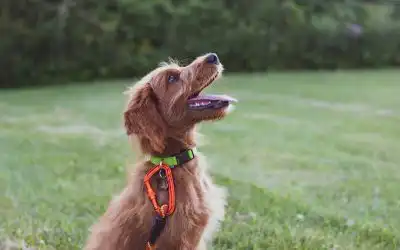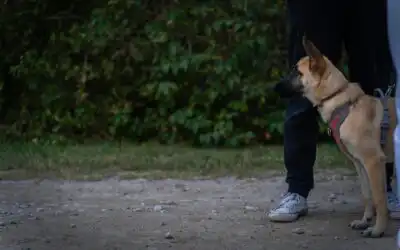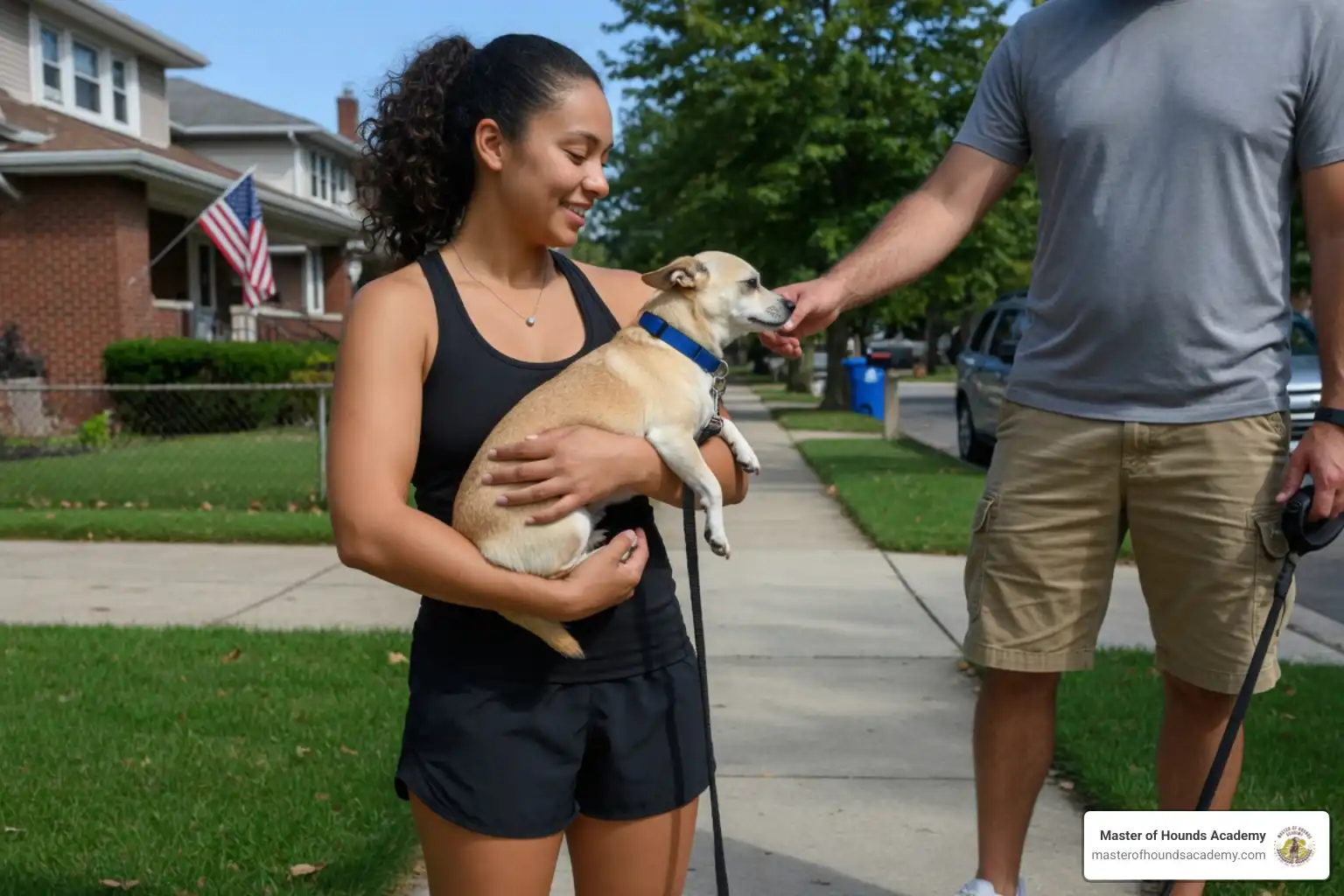

Understanding Boot Camp Dogs: What Board and Train Programs Entail
When family routines become overwhelming or leash walking turns into an exhausting tug of war along the hills of San Francisco or Berkeley, many owners search for a comprehensive solution. This is where boot camp dogs enter the picture. A boot camp style setup, often referred to as a board and train program, removes your canine companion from their familiar household triggers and places them into a structured residential environment.
Instead of trying to squeeze twenty minutes of daily practice between work meetings or picking up the kids from school, residential training gives your dog around the clock immersion. It provides a clean slate where clear rules, predictable expectations, and expert timing align to shape reliable habits.
What Defines Boot Camp Dogs and Their Training Environment?
A residential training program is not simply boarding with a few practice sessions tossed into the mix. It is an immersive stay within a controlled environment designed to establish a new behavioral baseline.
In a traditional home setting, dogs often pick up subtle cues that reinforce unwanted behaviors. For instance, barking at the window in your Marin or Walnut Creek home might lead to immediate attention, or pulling on leash might successfully lead them to their favorite tree. In a dedicated boot camp environment, our professional handlers manage every variable. Daily routines include structured leash work, dedicated rest periods, impulse control games, and controlled socialization. This 24/7 structure allows dogs to learn without the conflicting signals that usually occur during busy household routines.
Comparing Boot Camps to Group Obedience and In Home Coaching
Choosing the right path depends on your schedule, your lifestyle, and the specific needs of your dog. Many owners come to us after trying weekly group obedience classes or private in home lessons without seeing lasting results.

| Training Format | Instruction Intensity | Weekly Time Commitment for Owner | Ideal Candidate | Skill Retention Mechanism |
|---|---|---|---|---|
| Immersive Boot Camp | High (24/7 environment managed by professionals) | Low during camp; moderate during transfer phase | Busy households, severe reactivity, impulse control needs | Comprehensive owner transition lessons and post camp support |
| Group Obedience Classes | Low to Moderate (1 hour per week in public setting) | High (Requires hours of independent practice weekly) | Puppies needing basic social skills, owners with ample free time | Ongoing homework practice at home |
| In Home Private Lessons | Moderate (1 hour sessions with trainer in home) | High (Owner executes all daily repetitions) | Specific household manners, owners wanting hands on coaching | Daily owner consistency between visits |
While group classes are wonderful for basic exposure and in home lessons help refine household boundaries, boot camps provide an accelerated learning curve. By building high repetition and clarity first, we take the heavy lifting off your shoulders before teaching you how to maintain the results.
Core Goals, Targeted Behaviors, and Program Structure
The primary goal of a residential boot camp for dogs is to create a confident, attentive, and manageable companion who seamlessly integrates into your daily life. Whether you dream of peaceful strolls through Alameda, relaxed afternoons at outdoor cafes in Danville, or quiet evenings in Lafayette, structured residential training builds the foundation.
Programs typically run from two to four weeks depending on the goals established during your initial evaluation. Tuition investments reflect the round the clock care, professional handler expertise, direct environmental management, and detailed owner transition lessons provided throughout the stay.
To achieve lasting change, we utilize all four scientific quadrants of operant conditioning. By pairing clear guidance with timely feedback, dogs learn exactly which behaviors earn rewards and which choices carry boundaries.
Severe Behavioral Issues Addressed in Residential Camps
Many boot camp dogs arrive at our facility because their owners feel they have reached a plateau. Residential programs are uniquely equipped to handle complex behavioral challenges that feel overwhelming in a busy home:
- Leash Reactivity: Barking, lunging, or hyper fixating on other dogs or bicycles during neighborhood walks.
- Resource Guarding: Possessiveness over food bowls, toys, furniture, or specific sleeping spots.
- Separation Anxiety: Destructive chewing, persistent whining, or distress when left alone.
- Boundary Setting and Impulse Control: Excessive jumping on guests, counter surfing, bolt risk at front doors, or inability to settle down when the household is active.
Personality Driven Approaches to Operant Learning
No two dogs possess the exact same temperament or motivation. A sensitive Golden Retriever requires a different energy and communication style than a headstrong Working Malinois or a playful French Bulldog. To achieve true compliance and enthusiasm, training must honor individual dog temperaments.
You can learn more about how temperament influences learning style in A Guide to Dog Personalities.
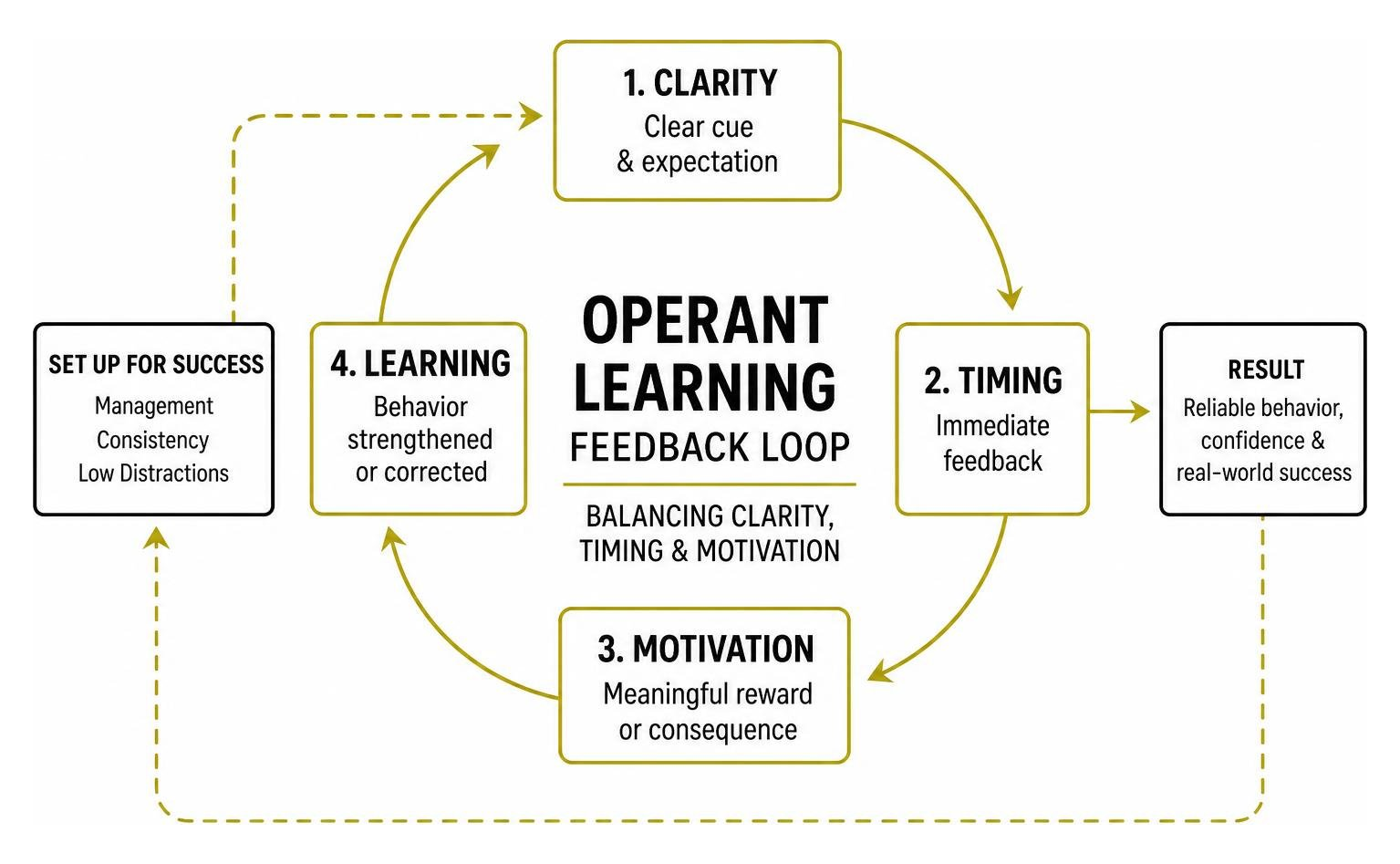
By integrating all four quadrants of operant learning, we deliver balanced and predictable feedback. Reinforcement builds vibrant motivation for heel work, recall, and place commands, while fair, clear corrections clarify boundaries when impulse control slips. This balanced communication prevents confusion and builds deep confidence in your dog.
How to Select a Reputable Program and Avoid Common Risks
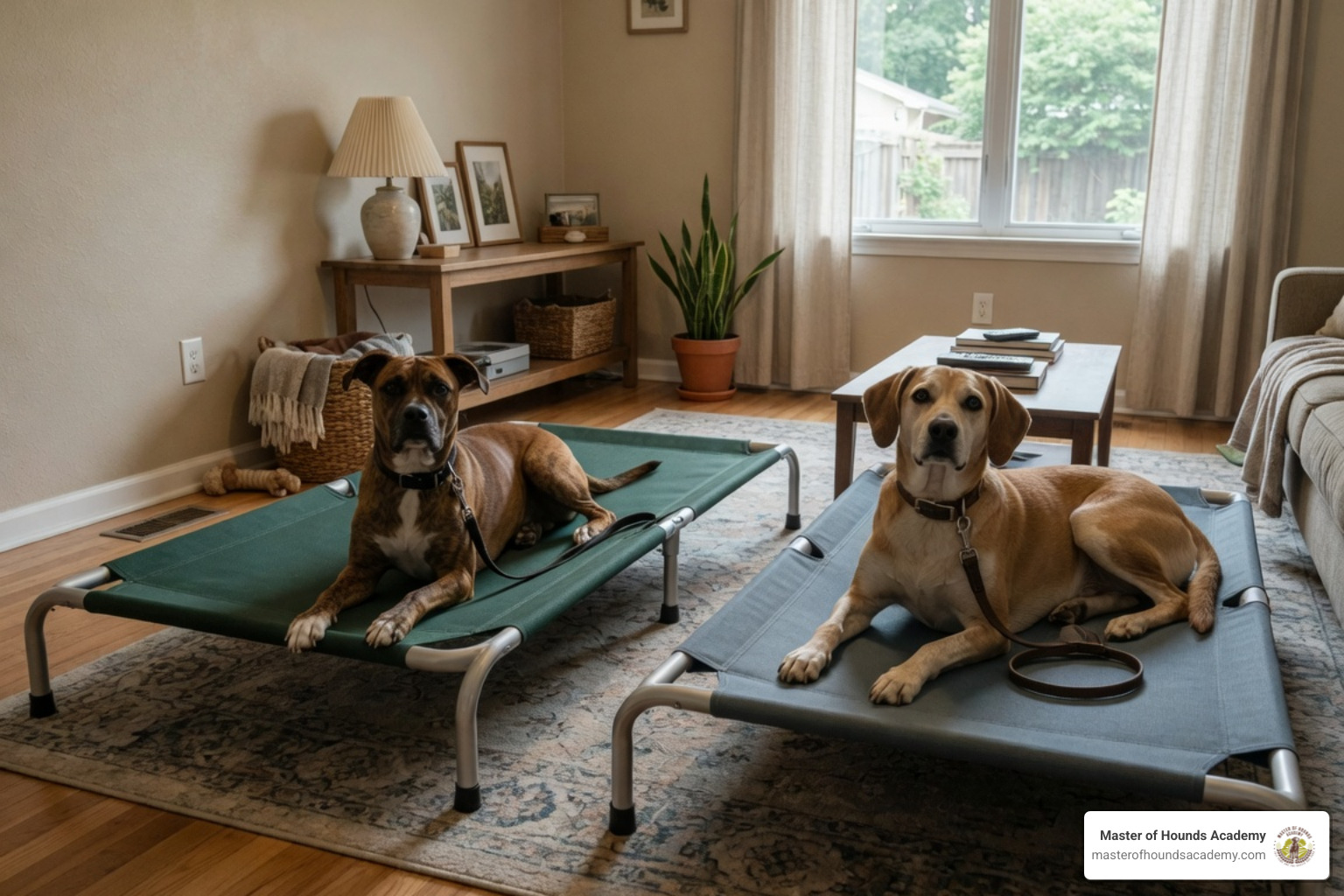
Entrusting your dog to a residential training facility is a significant decision. The Bay Area offers many options, ranging from large commercial facilities to small boutique operations. Finding the right fit requires looking closely at trainer credentials, facility standards, and transfer protocols.
Evaluating Trainer Qualifications and Scientific Methods
When evaluating potential programs for boot camp dogs, focus on experience, scientific foundation, and operational transparency. A reputable center will invite you to discuss their methodologies openly and explain how they build clarity for the animal.
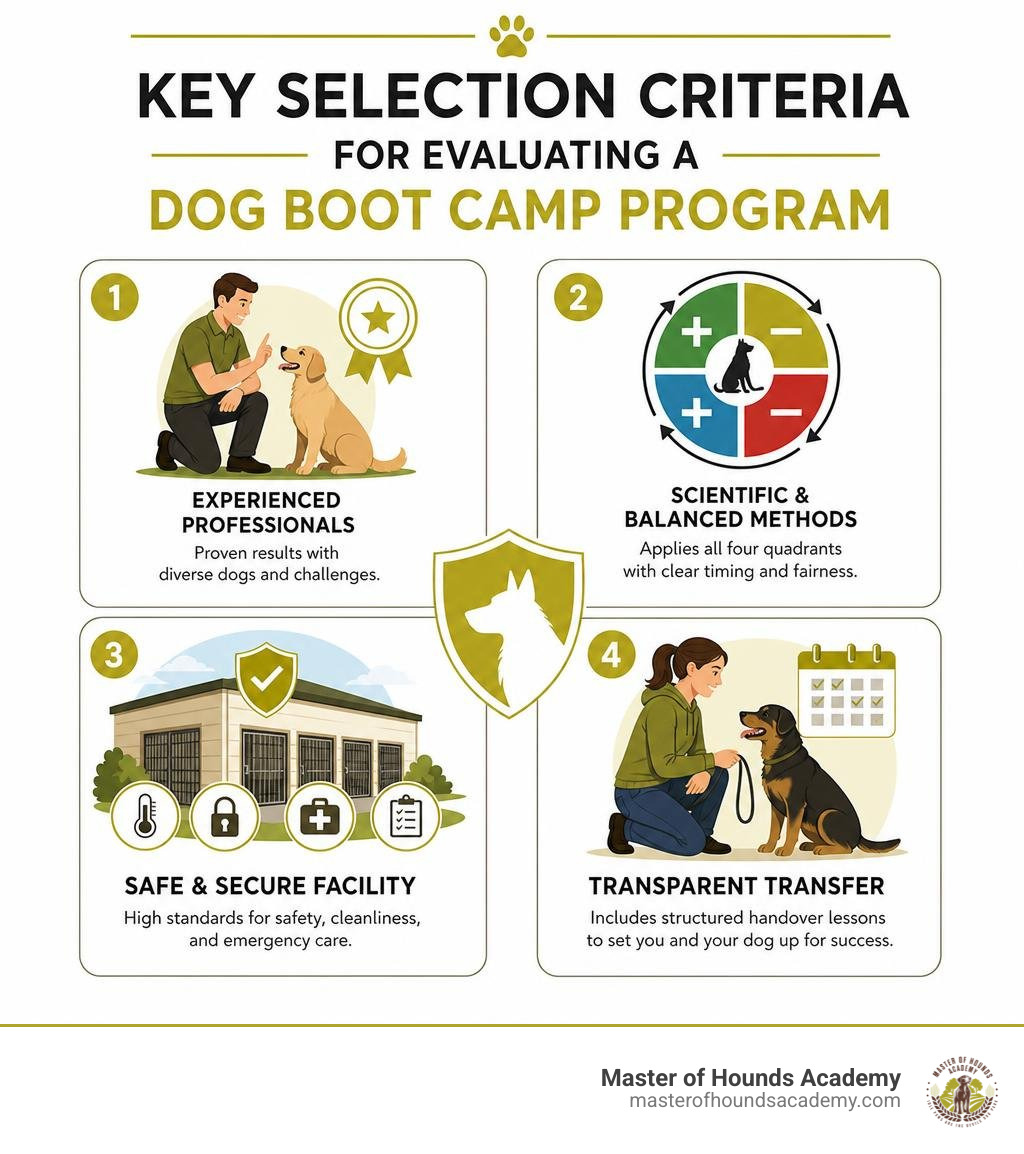
- Decades of Practical Experience: Look for facilities led by seasoned professionals who have successfully handled thousands of dogs across diverse breeds and temperaments.
- Balanced Scientific Knowledge: Ensure the staff understands all four quadrants of operant learning, applying fair consequences and generous rewards with master level timing.
- Facility Safety Protocols: Inquire about climate control, security systems, overnight supervision, emergency veterinary procedures, and clean kenneling standards.
- Transparent Transfer System: Verify that the program includes multiple dedicated handover lessons to train you as thoroughly as your dog.
Common Pitfalls for Boot Camp Dogs and How to Avoid Them
The most common point of failure in any residential training program does not happen during the camp itself. It happens after the dog returns home.
Dogs are master context learners. If a dog learns that strict rules exist at boot camp but no rules exist on the couch in El Cerrito or Orinda, they will quickly revert to old habits. This behavioral drift is easily avoided when owners commit to keeping the newly learned structure intact during the initial transition weeks.
Mastering the Home Transition and Long Term Success
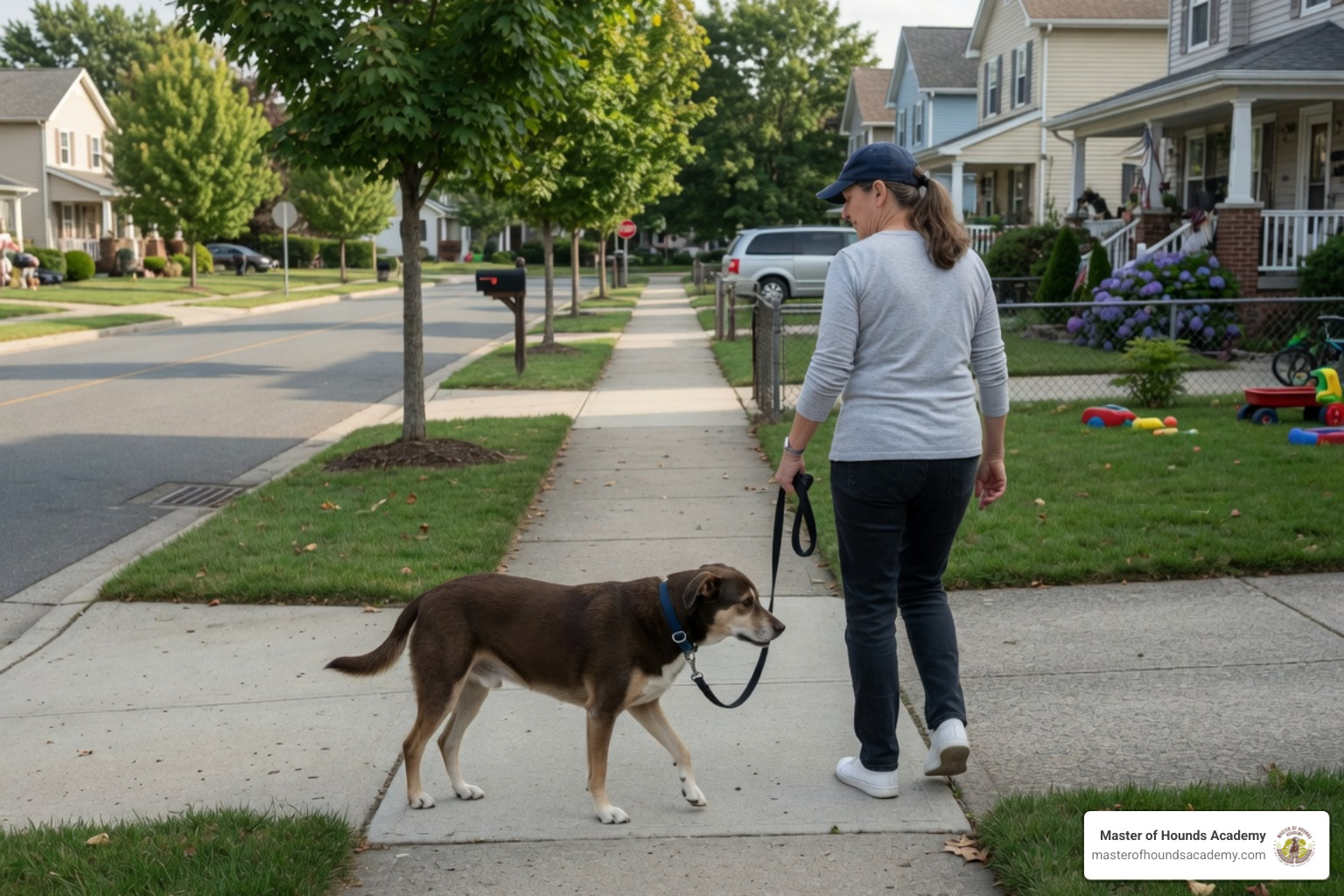
The true measure of success for boot camp dogs lies in how well their newfound skills translate into your living room, back yard, and local parks. Returning home should feel like an exciting graduation, backed by a clear roadmap for your family.
At Master of Hounds Academy, we view the go home transition as the core of our residential programs. During handover sessions, we coach you step by step through leash mechanics, verbal cues, body language, and spatial boundary management so you feel completely confident leading your dog.
The Owner’s Role in Maintaining Behavioral Results
To preserve your dog’s progress and ensure a lifelong partnership, build these essential habits into your daily routine:
- Enforce Daily Structure: Maintain set meal times, scheduled rest in crates or on place cots, and structured walks rather than chaotic free roaming.
- Maintain Command Precision: Expect your dog to follow a command on the first cue. Avoid repeating commands like sit sit sit, which dilutes your leadership.
- Align the Household: Ensure all family members, children, and regular caregivers use the exact same verbal cues, rewards, and boundary corrections.
- Utilize Crate and Place Work: Keep designated resting zones active during high energy times, such as family dinners, remote work meetings, or guest arrivals.
- Schedule Ongoing Coaching: Take advantage of follow up sessions, group refresher outings, or video check ins offered by your training center to address minor regressions early.
Frequently Asked Questions About Dog Boot Camps
What is the typical duration and cost of a dog boot camp?
Most professional board and train programs range from two to four weeks in duration. Short two week stays focus primarily on leash manners, basic household obedience, and routine creation. Four to six week stays allow deeper immersion for serious behavior modification, off leash reliability, and complex reactivity issues.
Tuition generally spans from two thousand to five thousand dollars or more depending on program length, trainer expertise, location, and the level of follow up support included. While this represents a notable investment, it provides round the clock professional care, specialized training, and long term owner coaching that saves hundreds of hours of frustration.
Can older dogs or dogs with severe reactivity succeed in boot camp?
Yes. While puppies and young adults absorb new routines rapidly, older dogs can absolutely succeed in a structured boot camp setting. Canine brains remain adaptable throughout their lives. Senior dogs or dogs with deeply ingrained habits simply require clear, consistent feedback and appropriate pacing.
For dogs experiencing severe leash reactivity or territorial behavior, a residential stay provides a safe, highly controlled environment where triggers can be systematically managed. Professional trainers can introduce controlled exposures and balance communication far more safely and effectively than an owner trying to manage heavy reactivity on a busy neighborhood street.
How do I ensure my dog does not regress after returning home?
Preventing regression comes down to consistency and leadership. Your dog returns home with a newly established set of skills, but they will test their environment to see if the old rules still apply in your home.
By strictly following the transition guidelines provided by your trainer, enforcing place commands, utilizing structured walking positions, and requiring calm energy before releasing your dog to play, you reinforce that the new behavioral standards apply everywhere. Continuing post camp check ins and refresher lessons guarantees that your success remains permanent.
Securing Lifelong Harmony with Master of Hounds Academy
Achieving a calm, well mannered companion does not require endless stress or second guessing past attempts. When clear communication meets professional expertise, boot camp dogs thrive, transforming daily life for dogs and their human families alike.
At Master of Hounds Academy, we bring over fifty years of experience to every dog in our care. Through our signature Metcalf Method, we combine deep knowledge of canine temperaments with balanced operant learning to produce reliable, joyous results. Whether you reside in San Francisco, Marin, Oakland, or anywhere across the East Bay, our team is dedicated to guiding you and your dog toward lifelong success.
Ready to transform your dog’s behavior and enjoy peaceful walks once again? Discover how our tailored residential training programs can help your family by visiting our Board and Train Services today.