
Understanding the Root Causes and Warning Signs of Possessive Behavior
To safely train a dog who guards food and toys, avoid confrontational takeaways, implement secure feeding barriers, and practice structured trade routines with higher value rewards. Systematic desensitization, such as calmly approaching while tossing high value treats from a safe distance below reaction thresholds, replaces defensive anxiety with positive expectations. Never punish warning growls or attempt physical dominance, as forceful corrections escalate defensive behavior.
Every canine companion brings ancient survival wiring into our modern living rooms. In the wild, keeping hold of a high calorie meal or a safe resting den meant the difference between thriving and starvation. That possessive drive remains an evolutionary advantage built into canine biology, persisting even when your companion enjoys organic kibble and a bespoke orthopaedic bed in your living room.
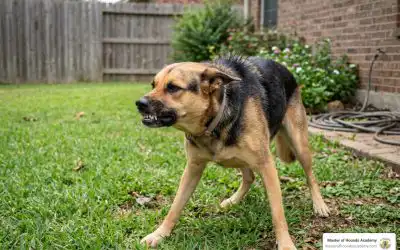
When a dog guards an item, they are not staging a household mutiny. They are simply acting on an instinctual desire to protect something they value. While territorial instincts involve keeping unfamiliar intruders out of a physical perimeter, resource guarding is centered specifically on keeping possession of an object, food item, location, or person.
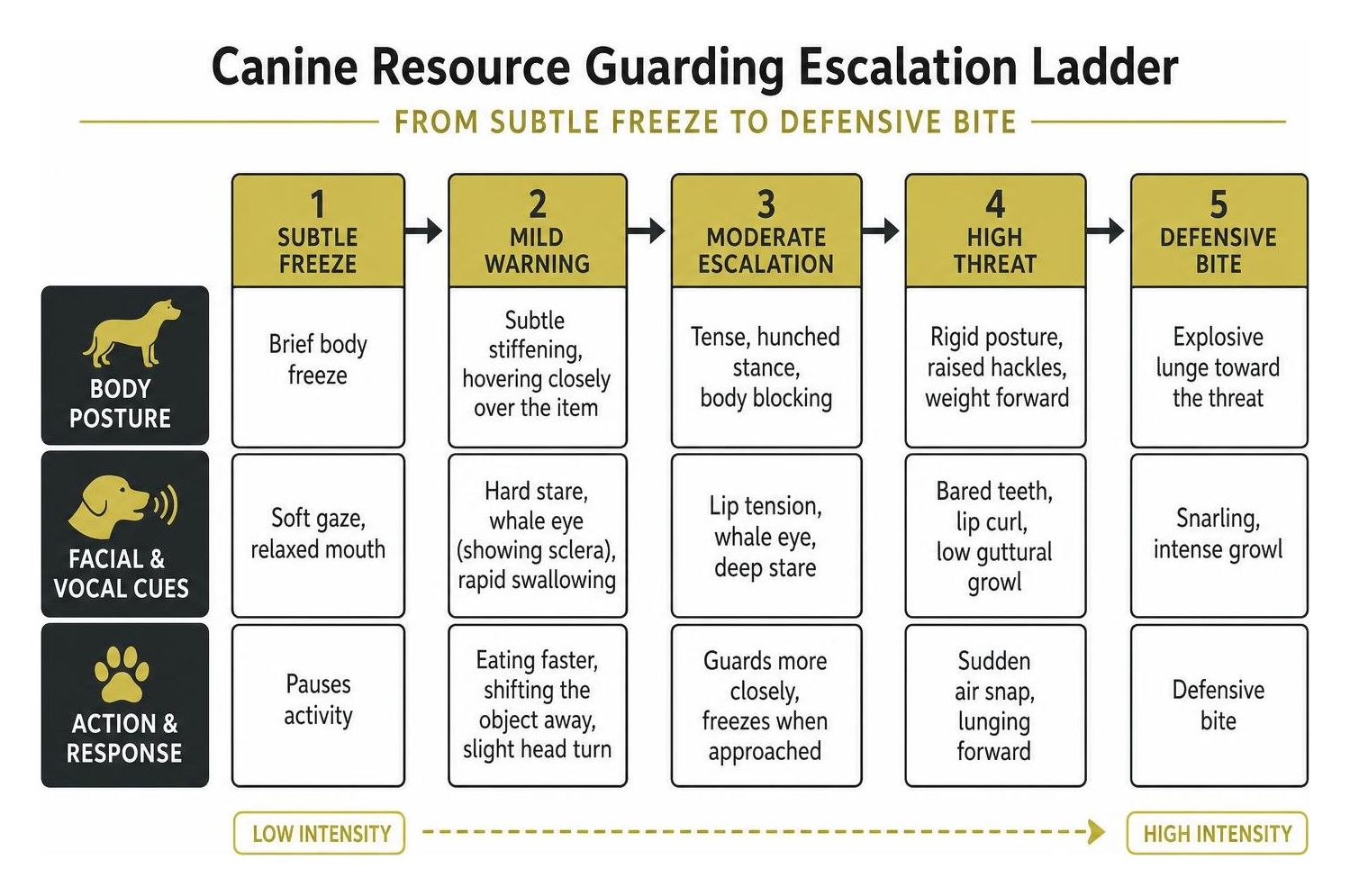
| Behavior Level | Early Mild Indicators | Escalated Severe Indicators |
|---|---|---|
| Body Posture | Subtle stiffening, brief body freeze, hovering closely over the item | Tense hunched stance, body blocking, raised hackles |
| Facial & Vocal Cues | Hard stare, whale eye showing sclera, rapid swallowing | Bared teeth, lip curl, low guttural growl, snarling |
| Action & Response | Eating faster, shifting the object away, slight head turn | Sudden air snap, lunging forward, defensive bite |
Instinct, Genetics, and Environmental Triggers
Science shows that possessive behavior runs deeper than simple upbringing. Behavioral genetics research reveals significant genetic variation in guarding tendencies. For instance, studies examining food protection contexts in Golden Retrievers identified remarkably high heritability factors between .94 and .95. In broader populations, studies on canine food guarding behavior have documented that roughly 15.3% of evaluated dogs display measurable guarding reactions.
Environmental experiences during early development amplify or quiet these natural traits. Puppies who experienced intense litter competition around communal feeding dishes often carry a lingering scarcity mindset into their new homes. Similarly, rescue dogs with histories of deprivation may instinctively protect newly discovered treasures. Understanding your companion means looking at their unique genetic makeup alongside their life story. We explore these unique traits closely in our guide to dog personalities to tailor routines to each individual temperament.
Recognizing Subtle Warning Signs Before Escalation
Long before a dog vocalizes, their body speaks volumes. Recognizing these early signals allows handlers to deescalate situations before safety is compromised.
- The Freeze: The dog suddenly stops all movement, locking their muscles rigid over the valued prize.
- Whale Eye: The dog turns their head slightly away while keeping their eyes locked on you, revealing the white crescent of their eye.
- The Hard Stare: Direct, unblinking eye contact that signals intense vigilance.
- Speed Eating or Hovering: Rapidly gulping down food or draping a paw or jaw over a toy to physically claim it.
- Vocal and Physical Warnings: A subtle lip curl, a low rumbling growl, or an air snap that functions as an intentional miss to create distance.
Understanding your dog threshold recognition point is the key to safe interaction. When you notice these quiet cues, stepping back preserves their bite inhibition and prevents unnecessary stress.
Essential Protocols for Resource Guarding in Dogs Training
Transforming possessive behavior requires shifting how your dog perceives your presence around their treasures. Rather than viewing an approaching human as a threat to their prize, the dog learns that human proximity reliably brings something even better.
Our approach balances clear household boundaries with classical conditioning and desensitization, ensuring your companion feels secure while respecting family structure. You can learn more about how we blend structure and motivation in our step-by-step balanced dog behavior training overview.
Environmental Management and Safe Trade Routines
Before modifying any behavior, management must eliminate the rehearsal of guarding. Every time a dog feels forced to defend an item, that neurological pathway strengthens.
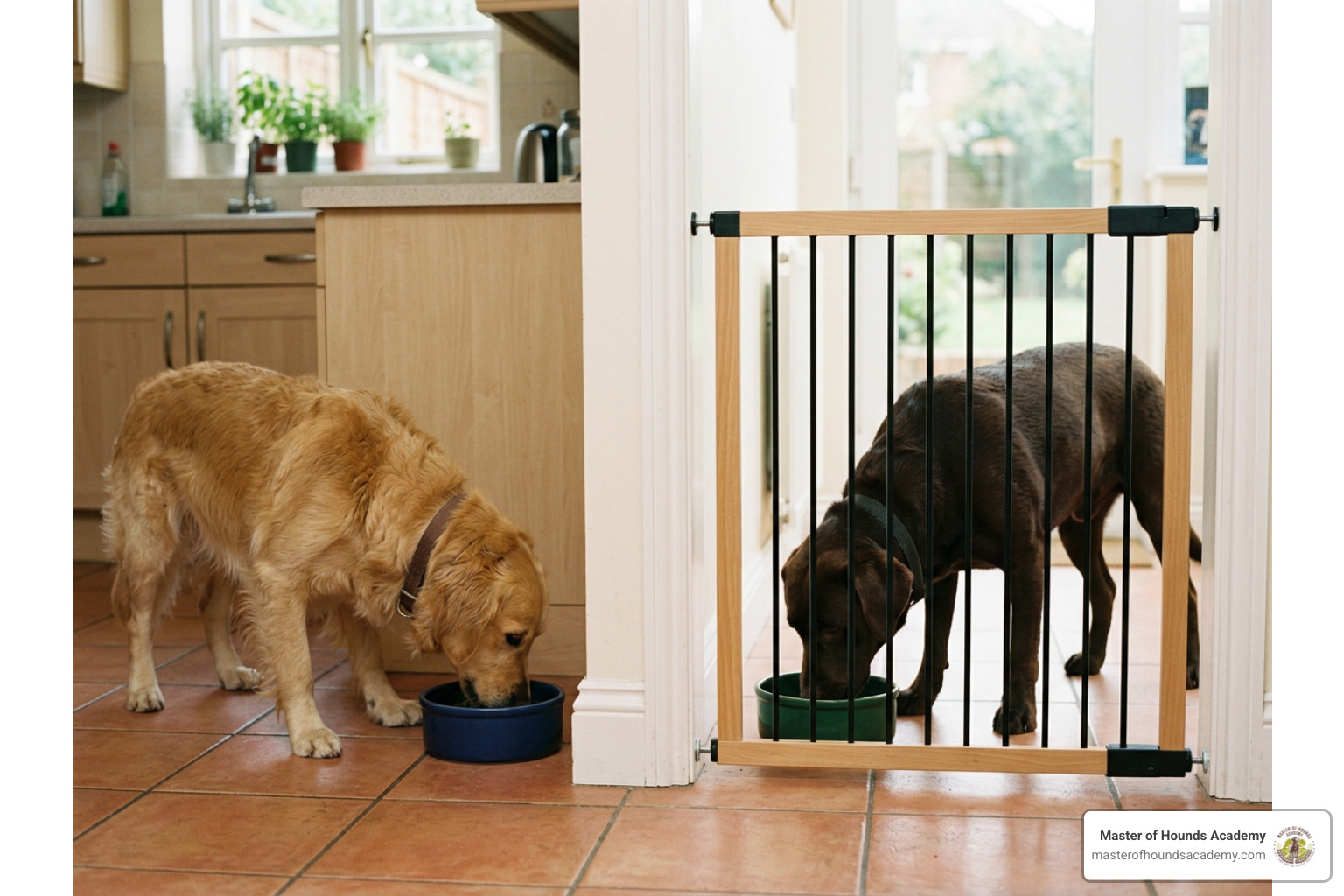
Start by feeding meals behind physical barriers such as sturdy baby gates, inside a quiet room, or within a designated crate. Remove unattended high value items, such as raw marrow bones, bully sticks, or puzzle feeders, when multiple family members are moving through common areas.
When you need an object back, never snatch it away. Instead, implement a planned trade routine:
- Prepare a high value reward, like warm roasted chicken or fragrant liver treats, that clearly exceeds the value of the item in hand.
- Present the treat several feet away from the dog to draw their attention naturally.
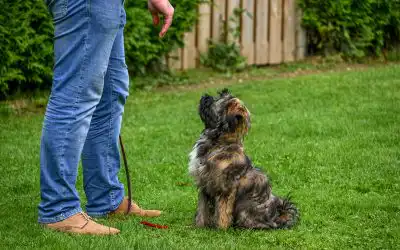
- Once the dog drops the original item to take the treat, use a clear release cue, scatter a few extra treats to keep their focus occupied, and calmly remove the original object.
For detailed strategies on possessive tendencies, explore the practical guidance on possessive aggression provided by welfare organizations.
Step-by-Step Desensitization in Resource Guarding in Dogs Training
Systematic desensitization works by breaking down the trigger into tiny, manageable steps where the dog remains completely calm below their reaction threshold.
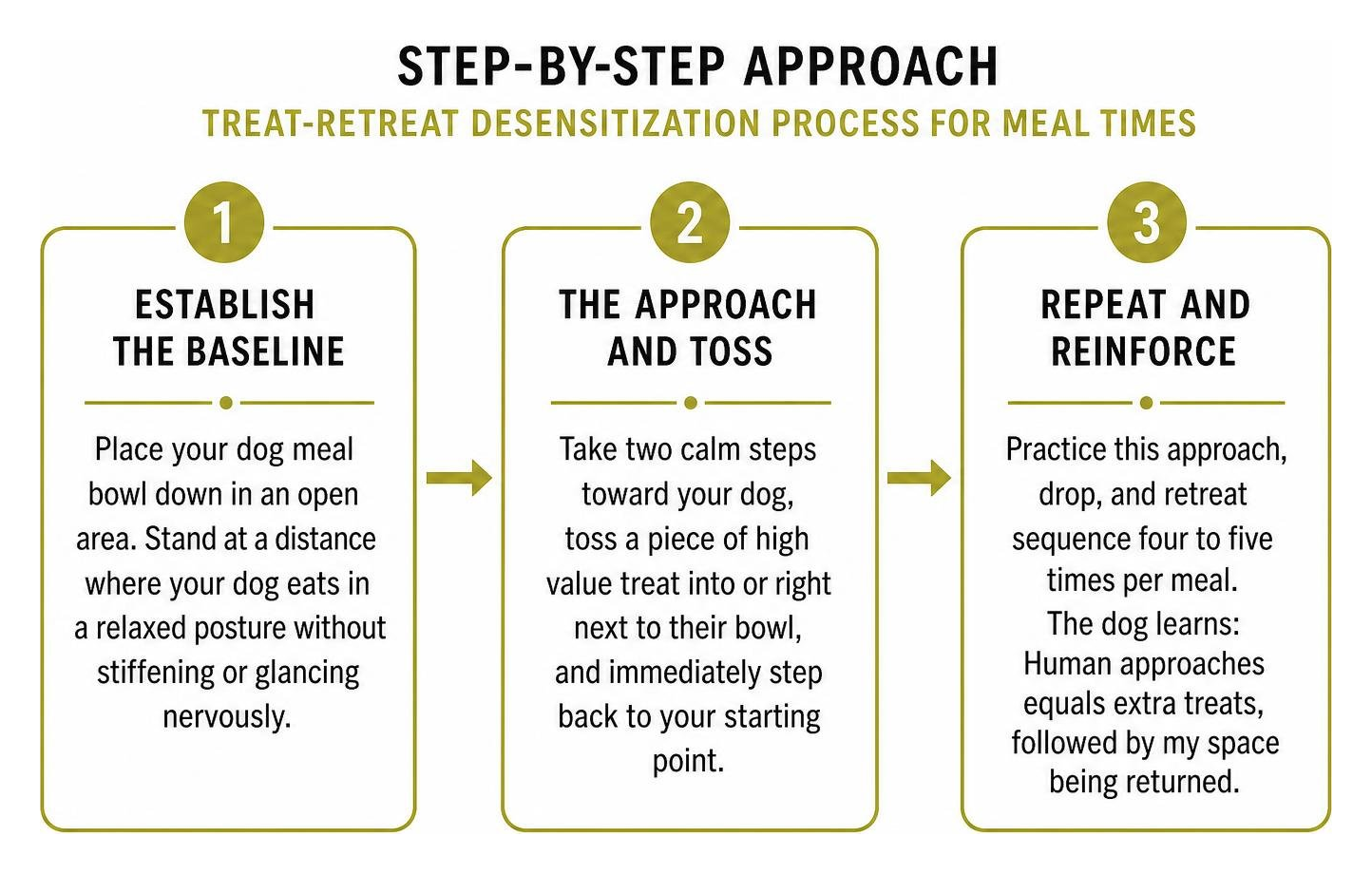
Follow this progressive routine during daily meal sessions:
- Establish the Baseline: Place your dog meal bowl down in an open area. Stand at a distance where your dog eats in a relaxed posture without stiffening or glancing nervously.
- The Approach and Toss: Take two calm steps toward your dog, toss a piece of high value cheese or roast beef directly into or right next to their bowl, and immediately step back to your starting point.
- Repeat and Reinforce: Practice this approach, drop, and retreat sequence four to five times per meal. The dog learns: Human approaches equals extra treats, followed by my space being returned.
- Shrink the Distance: Over multiple weeks, gradually shorten your starting distance until you can walk directly up to the bowl, drop the delicious bonus, and continue walking past smoothly.
- Touch and Return: Once your dog happily looks up expecting a bonus upon your arrival, briefly touch the rim of the bowl, drop a jackpot treat, and step away. Eventually, you will be able to lift the bowl slightly, drop a prime treat inside, and return the bowl immediately to the floor.
Preventing and Modifying Guarding Across Different Triggers
Guarding is not restricted to kibble. Dogs can guard plush toys, tennis balls, sunny sleeping spots on a rug, sofa corners, or even human family members.
Resource Guarding in Dogs Training for Multi-Dog and Family Homes
Inter dog tension requires clear environmental structures because dogs communicate differently with one another than they do with humans. In a multi pet household:
- Feed dogs in completely separate rooms with solid doors or baby gates closed between them until all bowls are finished and cleared away.
- Provide duplicate high value chew toys only during supervised, separated crate time.
- Never allow one dog to hover around another resting area or crate.
In homes with children, strict safety boundaries are essential. Children must never approach any dog who is eating, chewing a toy, or sleeping in their bed. Establishing these predictable rules protects everyone and eliminates competition. For more comprehensive safety frameworks, read our guide on proven safe dog aggression solutions.
Resolving Space, Furniture, and Stolen Item Guarding
When a dog guards a spot on the sofa or a cozy armchair, furniture access should transition from an automatic right to an earned privilege.
- Boundary and Place Training: Teach your companion a dedicated place cue on a comfortable mat on the floor. Reward them heavily for choosing their own bed over shared furniture.
- Handling Stolen Items: Dogs love socks, paper towels, and discarded mail because human pursuit turns trash into high stakes treasure. When your dog grabs a forbidden object, avoid chasing them. Call them to you with an upbeat voice, offer an irresistible trade, and reward their cooperation warmly.
Critical Mistakes That Escalate Guarding and When to Seek Professional Support
Well intentioned owners often receive outdated advice that dramatically worsens possessive behavior. Attempting to physically overpower a guarding dog confirms their worst fear: that humans are unpredictable thieves who intend to steal their valued items.
The Danger of Direct Confrontation and Punishment
Old fashioned notions of dominating a dog by roughly prying open their jaw, pinning them to the floor, or punishing a warning growl create extreme danger.
A growl is your dog safety valve. If you punish the growl, you do not fix the underlying anxiety; you simply silence the warning system. The next time the dog feels threatened, they may bypass the growl entirely and go straight to an uninhibited defensive bite. True leadership comes from consistent communication, predictable routines, and balanced guidance across all scientific quadrants of learning.
Identifying When Medical or Professional Intervention Is Required
Sometimes possessive reactions appear unexpectedly due to underlying physiological discomfort. A dog experiencing dental pain, hip dysplasia, osteoarthritis, or gastrointestinal distress may fiercely protect their space or food out of self preservation. Any sudden change in your dog behavior warrants a thorough veterinary checkup to rule out physical ailments.
If your companion exhibits unpredictable guarding, has snapped at family members, or has a history of level two or higher bites, professional oversight is essential. Our team provides tailored targeted private lessons throughout the Bay Area to assess thresholds, design safe environmental protocols, and coach families through reliable habit modification.
Frequently Asked Questions About Resource Guarding
Can resource guarding ever be completely eliminated?
While mild cases in young dogs can often be completely resolved through early conditioning, severe cases in adult dogs are generally managed rather than permanently erased. By maintaining consistent trade routines, respecting thresholds, and using solid environmental management, incidents can be reduced to near zero, creating lasting peace in the household.
Why does my dog guard random stolen items like socks or tissues?
Forbidden items often carry novel textures and concentrated human scents. When an owner rushes across the room shouting, the dog perceives the object as immensely valuable. The game of keep away reinforces the behavior, turning an ordinary sock into a prized trophy that the dog feels compelled to protect.
Should I put my hands in my puppy’s food bowl to prevent guarding?
No. Repeatedly sticking hands into a puppy bowl or taking food away while they are eating creates unnecessary frustration and teaches the puppy that human hands bring unpredictability. Instead, drop high value treats into the bowl as you walk by so your puppy learns that your presence always enhances mealtime.
Creating Lasting Household Harmony
Living with a dog who guards food or toys can feel stressful, but possessive tendencies do not mean your companion is broken or aggressive. With clear boundaries, patient desensitization, and safe trade habits, you can replace tension with absolute trust.
At Master of Hounds Academy, we bring over twenty years of family owned expertise to help dogs and their owners thrive across Oakland, Berkeley, San Francisco, Marin, and the greater East Bay. Whether you are raising a spirited new puppy or managing an older rescue, explore our comprehensive behavioral training services or schedule a free consultation to start building a safer, happier life with your dog today.