
How to Board an Aggressive Dog Safely
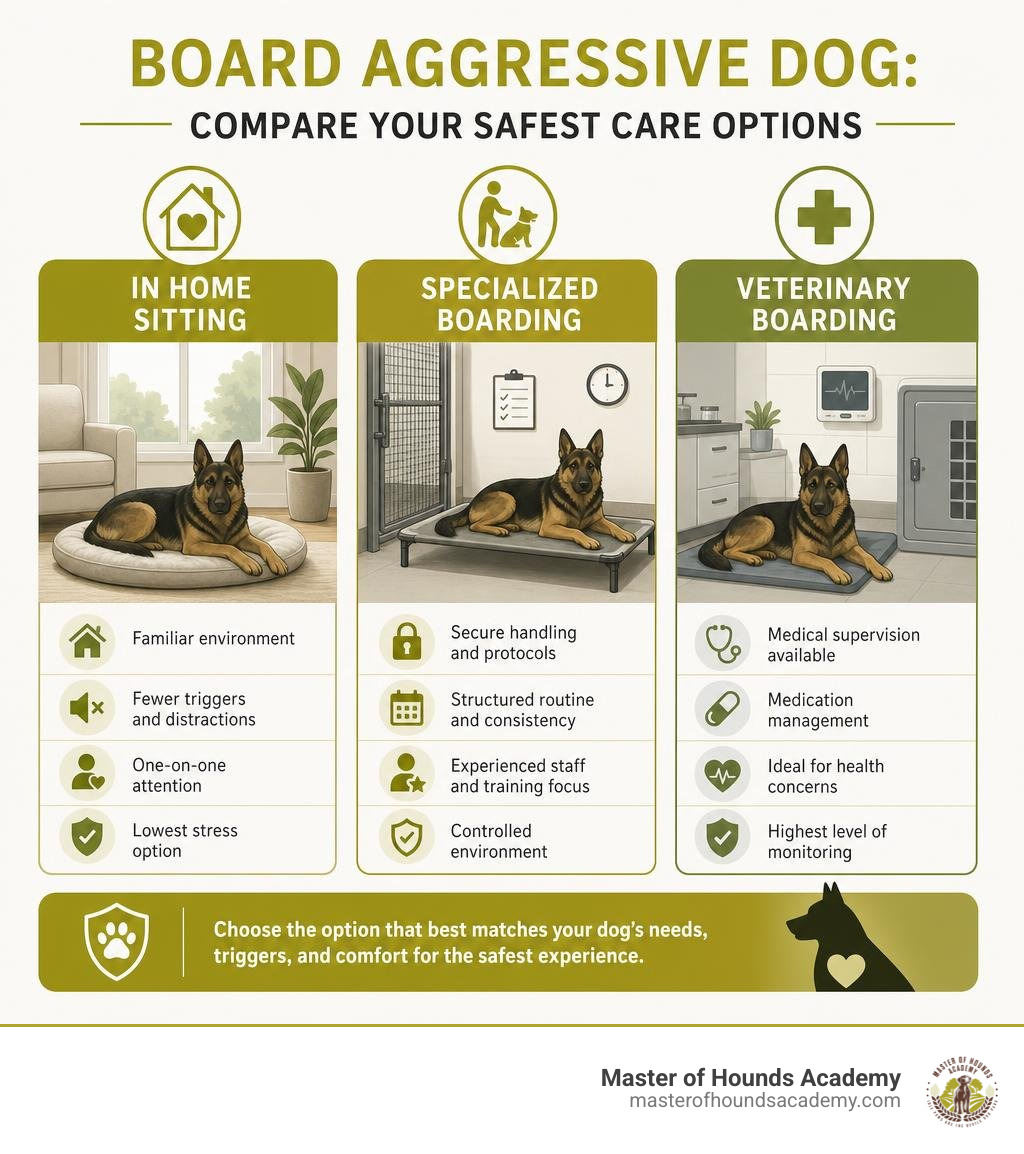
To board aggressive dog companions safely, choose care that matches their triggers, handling needs, and comfort level rather than simply booking the nearest kennel.
- In home pet sitting is often the lowest stress option for fear aggressive dogs because they can stay in a familiar space with fewer strangers, dogs, and noises.
- Specialized boarding with an experienced trainer can work when the facility uses careful intake, secure handling, and a structured routine.
- Veterinary boarding may be a strong choice for dogs with medical needs, medication, or a history that requires close supervision.
- Traditional busy kennels can be a poor fit for dogs that react strongly to unfamiliar people, dogs, confined spaces, or constant activity.
Fear aggression is not a character flaw. It is often a dog’s attempt to create distance from something that feels unsafe. A vacation care plan should protect the dog, the caregiver, and everyone nearby while keeping stress as low as possible.
I am Francis Metcalf, founder and co owner of Master of Hounds Academy, with more than two decades of experience in dog training and boarding. I help owners evaluate how to board aggressive dog companions with a plan that respects each dog’s personality and behavioral needs.
Safest Care Options for Fear Aggressive Dogs
When planning a getaway from Oakland or Berkeley to enjoy a well deserved vacation, finding the right temporary care for a fear aggressive dog requires careful evaluation. The primary goal is to minimize environmental triggers and prevent dangerous overstimulation. When a dog experiences high levels of anxiety, their cognitive threshold drops, making them far more likely to display protective or defensive behaviors.
We always urge pet owners across the Bay Area to assess options through the lens of risk management and environmental control. Fear aggression often stems from a desire to create space between the dog and a perceived threat. Placing a dog with these tendencies into an unpredictable setting can escalate fear, leading to safety hazards for staff and distress for your pet.
Specialized Boarding Facilities vs Commercial Kennels
Commercial kennels typically house dozens of animals in close quarters. Constant barking, echoes across concrete floors, and rapid movement of handlers can push a high arousal dog into emotional overload. Traditional kennels can be dangerous and excessively stressful for a fear aggressive dog. When dogs are trapped in a kennel run while triggers pass directly in front of them, their inability to move away can cause severe frustration and hyper fixation.
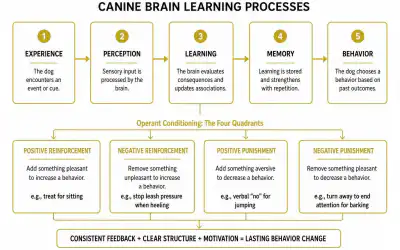
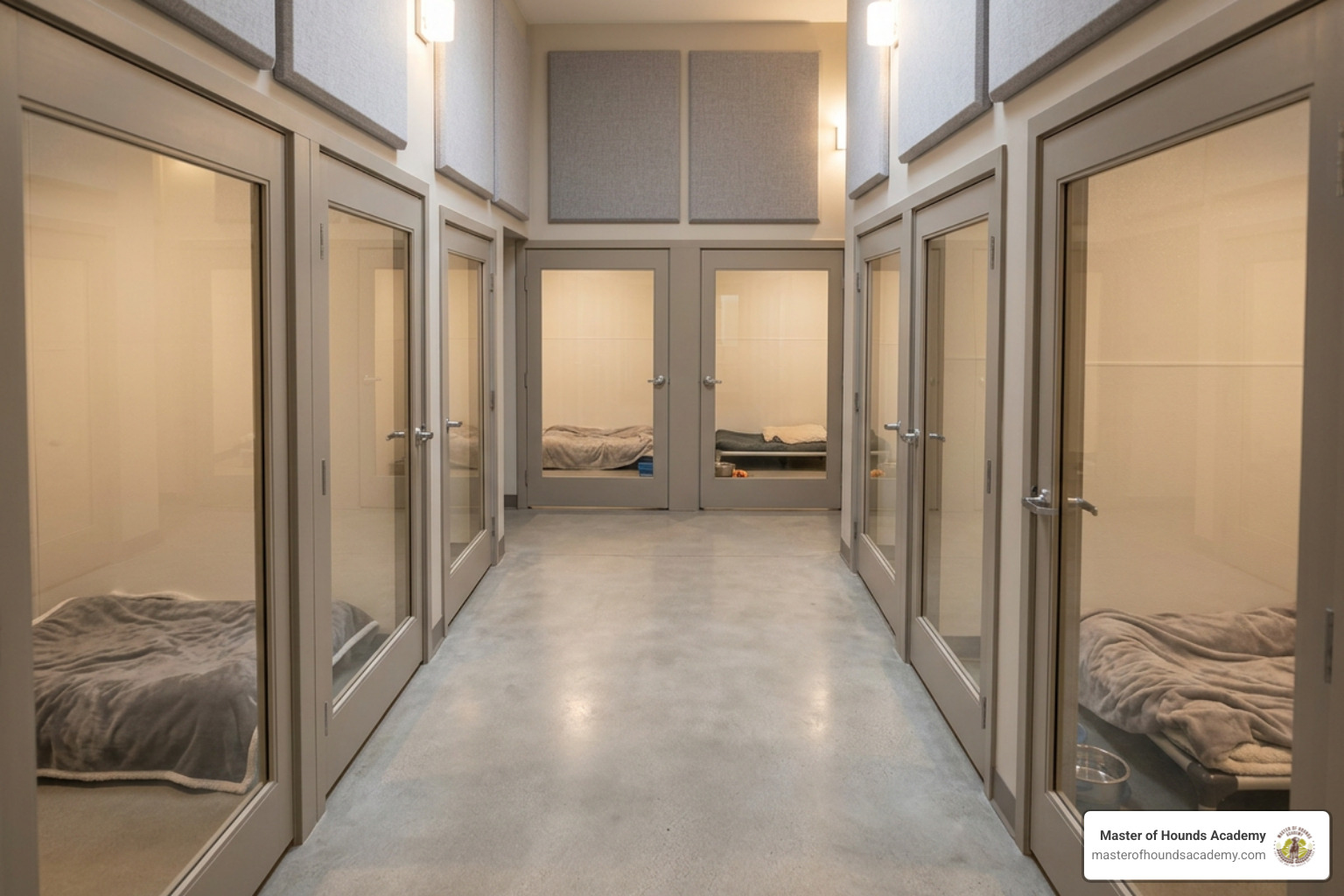
In contrast, specialized boarding environments focus heavily on threshold management and individualized space. These facilities restrict visual contact with other dogs, use acoustic baffles to limit noise, and implement strict physical management. At Master of Hounds Academy, we design our care around the individual temperaments of our canine guests. Using our Metcalf Method, we implement all four scientific quadrants of operant learning to build clear boundaries, clear communication, and structured predictable schedules that lower stress.
Veterinary Boarding and Behavioral Facilities
For dogs with intense behavioral challenges or those requiring daily medical treatment, veterinary boarding facilities present a structured alternative. Veterinary settings benefit from trained medical staff who understand animal body language and possess the expertise to manage prescriptions safely.
When considering a veterinary clinic or behavioral facility, evaluate their spatial layouts and containment standards. You should inquire about their emergency response protocols, handler ratios, and physical barriers. A high quality facility will have double fencing, secure airlocks, and specialized equipment like a robust walking harness or muzzle safety setups to prevent accidental escapes or bites during transfers. Families looking for local solutions can check options like Find Trusted Dog Boarding Kennels Near Me in Albany, CA – Care.com to locate suitable neighborhood resources, or explore community reviews on platforms like Dog Sitting & Boarding – Berkeley Parents Network.

How to Board Aggressive Dog Companions Safely
Preparing to leave a dog with behavioral sensitivities requires careful planning rather than a last minute reservation. To successfully board aggressive dog family members, you must establish a comprehensive safety plan long before your departure date.
A thorough behavioral assessment is the foundation of safe boarding. Handlers must know your dog’s specific triggers, such as sudden movements, tall men with hats, leash reactivity, or spatial guarding. Establishing a clear profile allows caregivers to tailor the environment and prevent accidental threshold violations.
Finding Experienced Caregivers for Reactivity
Finding a qualified sitter or specialized boarder takes time and diligent screening. Caregivers handling reactive or fear aggressive dogs must possess deep professional experience in canine communication, leash management, and defensive handling.

When interviewing potential sitters or facilities in Marin, San Francisco, or the East Bay, consider these crucial factors:
- Balanced Training Knowledge: Caregivers should understand operant learning across all four quadrants so they can uphold existing training structures, enforce fair limits, and communicate clearly.
- Hands On Experience: Ensure the handler has real world experience managing large, powerful, or reactive dogs rather than just casual pet sitting experience.
- Liability and Safety Coverage: Confirm that the professional carries comprehensive liability insurance that explicitly covers reactive or aggressive dogs.
- Trial Runs: Require one or more practice visits or overnight trials to observe how the caregiver interacts with your dog in a controlled setting before your actual trip.
When to Board Aggressive Dog Types
Understanding canine genetics and innate temperamental traits plays a significant role in managing temporary care. Breeds known for working drives and protective instincts, such as German Shepherds, can become particularly difficult to manage when under socialized or placed in high stress surroundings. Without structured mental engagement and appropriate outlets, these dogs may channel their nervous energy into heightened territoriality or fence reactivity.
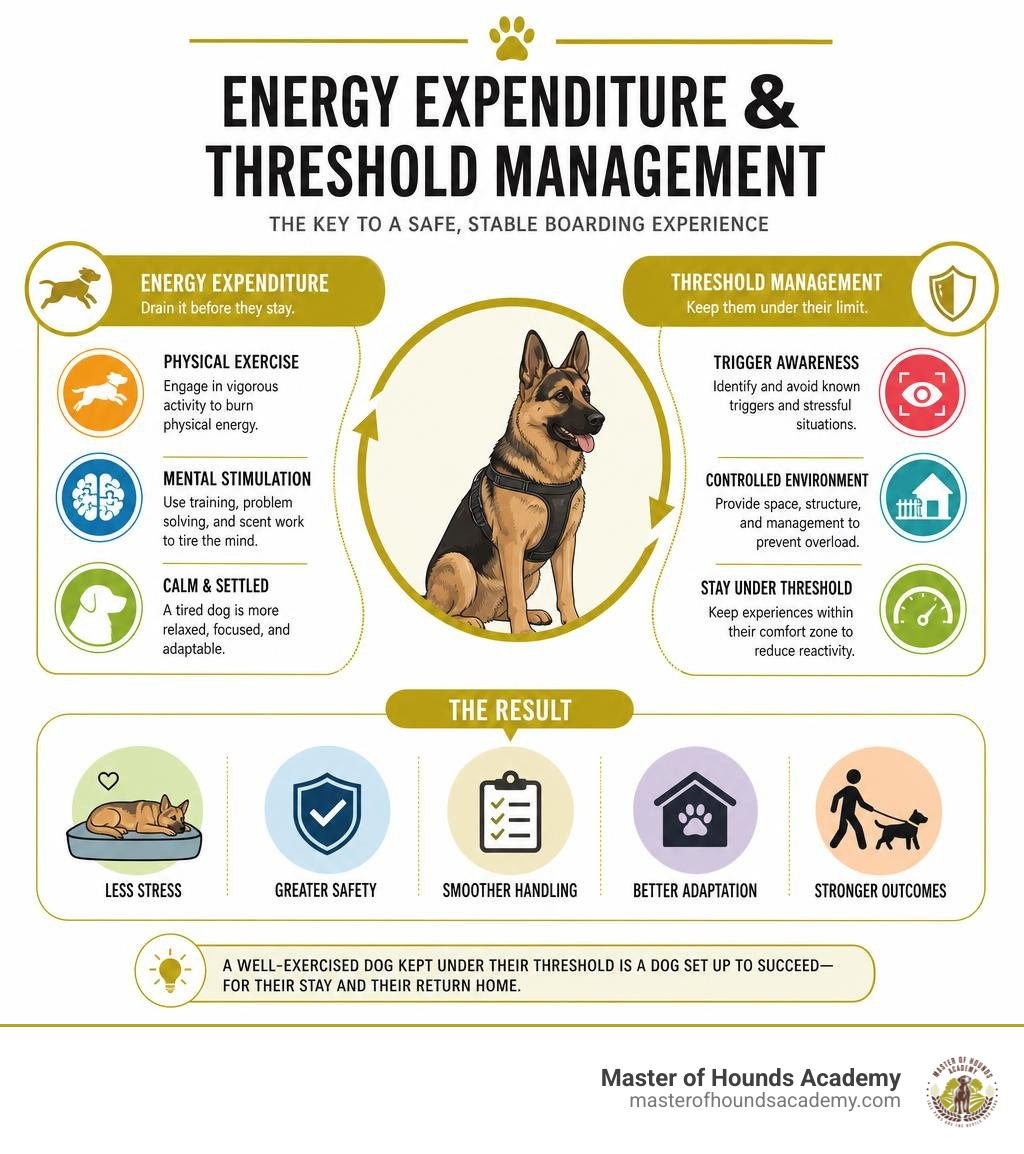
To better understand your dog’s inherent behavioral tendencies, explore our detailed resource A Guide to Dog Personalities. Knowing whether your dog is naturally suspicious, highly driven, or easily overwhelmed helps us fine tune environmental management. Drain both physical and mental energy before care begins; a thoroughly exercised dog with clear expectations will adapt far more smoothly to a new setting.
Essential Preparation Steps Before Leaving Your Dog
Preparation is the best way to prevent behavioral setbacks while you are away. When owners fail to prepare their dog or their caregiver, minor misunderstandings can turn into dangerous situations.
We recommend creating a comprehensive written care manual for your sitter or boarding team. This document should detail:
- Specific Triggers: Outline every known trigger, including bikes, strange dogs, food bowls, or uninvited touch.
- Daily Schedule: Detail exact feeding schedules, rest periods, exercise times, and bathroom breaks.
- Medical Information: Provide clear dosage instructions, veterinary contacts, and emergency medical release forms.
- Behavioral Protocols: Explain how to handle doorbell reactions, walk transitions, and command reinforcement.
Threshold Management and Desensitization
Managing a reactive dog requires keeping them below their emotional threshold, the distance at which they begin to fixate or react. Caregivers must understand distance control. On walks, if a trigger approaches, the handler should create distance by turning around or changing sides of the street. For example, running or jog stepping a reactive dog past triggers can disrupt their hyper fixation because they must focus on their footing rather than the stimulus.
Using structured equipment like a sturdy no pull harness, double ended leash, or basket muzzle provides physical security. When handlers maintain calm, consistent boundaries using operant learning principles, the dog feels guided rather than isolated.
Professional Guidelines to Board Aggressive Dog Breeds
When working with powerful or headstrong breeds, adhering to professional safety standards is essential. Basket muzzle conditioning is one of the most effective gifts you can give your dog and their handlers. A properly fitted muzzle allows your dog to pant, drink water, and accept food treats safely while completely eliminating bite risk during vet visits or facility intake.
Furthermore, schedule a structured transition sequence. Bring your dog to the facility or introduce the sitter several weeks in advance. Start with short drop in visits, progress to a multi hour stay, and finish with a single trial night. This stepwise habituation eliminates the shock of sudden separation and proves to your dog that you will return.

Frequently Asked Questions About Boarding Reactive Dogs
What is the safest care option for a fear aggressive dog?
In home pet sitting by an experienced behavioral trainer is often the safest and lowest stress choice. Remaining in familiar surroundings avoids the environmental overload of commercial kennels. If in home care is not feasible, a specialized behavioral boarding facility that offers dedicated individual runs, visual barriers, and professional handling is the next best option.
How far in advance should preparation begin before vacation?
Preparation should begin at least four to six weeks prior to your planned trip. This timeline leaves enough room for initial caregiver meet and greets, muzzle desensitization, structured walking practices, and at least one overnight trial stay. Starting early allows you to address any unexpected behavioral challenges calmly.
Why do traditional kennels elevate aggression in reactive dogs?
Traditional kennels introduce multiple intense stressors: continuous barking, spatial confinement, close proximity to unknown dogs, and fast moving staff. This environment keeps a dog’s nervous system in a constant state of fight or flight. Over time, high frustration and lack of escape options can escalate fear based reactivity into outright aggression.
Finding Peace of Mind Before You Travel
Traveling should be a relaxing experience, not a source of constant worry about your dog’s safety or the security of your community. By understanding your dog’s behavioral profile, selecting specialized care over high stress commercial settings, and taking time for proper preparation, you can ensure a safe and successful temporary stay.
At Master of Hounds Academy, we specialize in helping families across San Francisco, Berkeley, Oakland, Marin, and the broader Bay Area navigate complex behavioral needs. Whether through our personalized training programs or specialized care, we apply our balanced Metcalf Method to build confidence, emotional stability, and clear communication. If you are looking for dedicated behavioral support or structured care options, explore our Comprehensive Board and Train Services to discover how we can help you and your companion enjoy complete peace of mind.