
Safe Training for Dogs With Aggressive Behavior Starts With a Plan
Training for dogs with aggressive behavior should begin with safety, a veterinary check, and a clear plan built around your dog’s specific triggers. Aggression can stem from fear, pain, guarding, or stress, so the goal is not simply to stop a moment of barking or lunging, but to reduce risk and build calmer, more reliable choices over time.
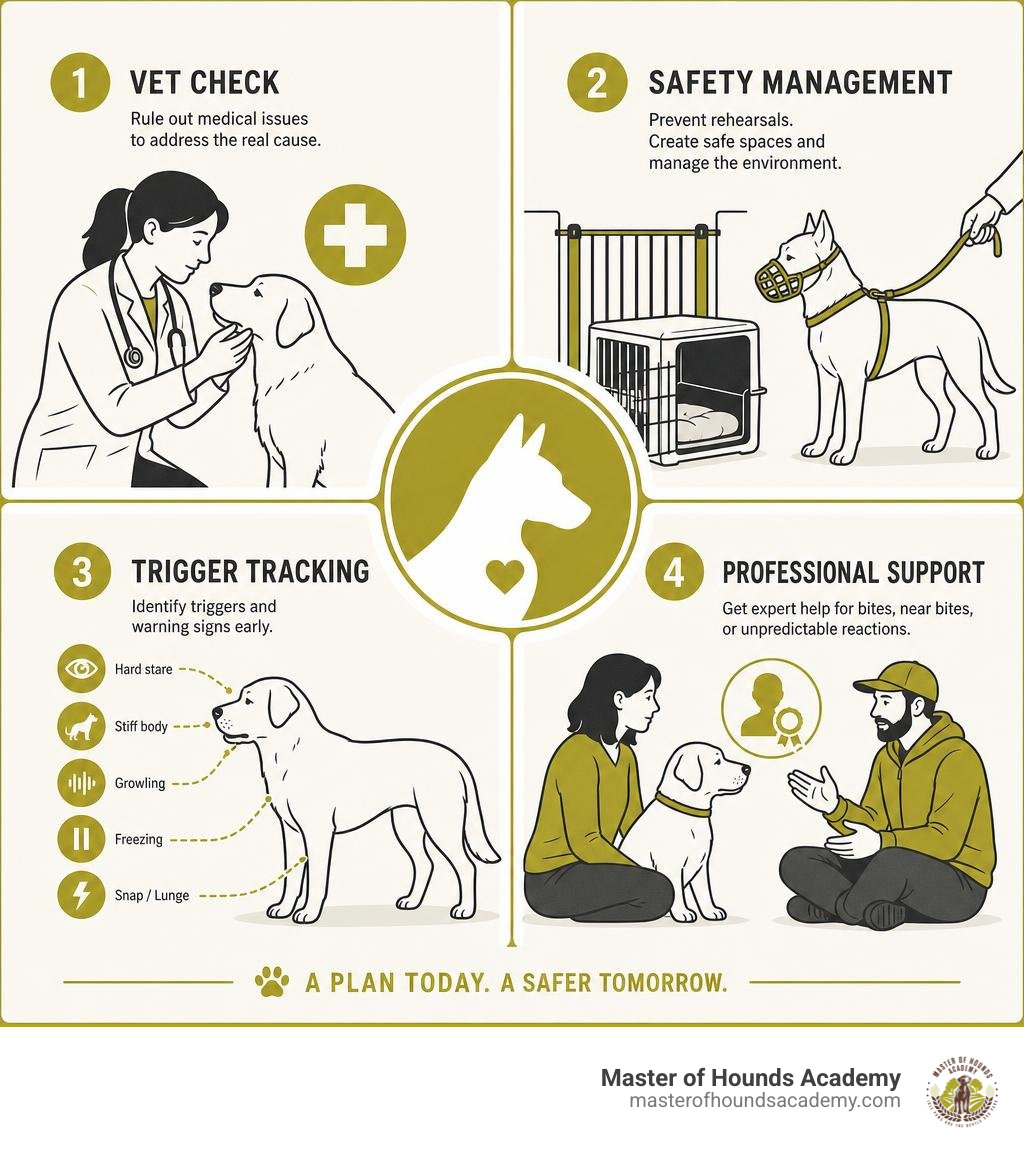
- Rule out medical causes with a veterinarian, especially if the behavior is sudden or worsening.
- Prevent another incident using distance, gates, leashes, crates, and a properly introduced basket muzzle when needed.
- Identify triggers and warning signs such as hard staring, stiffness, growling, freezing, or snapping.
- Get professional guidance for bites, near bites, unpredictable reactions, or concerns involving children, guests, or other pets.
A thoughtful training plan can help bring more peace to Bay Area homes, whether your dog reacts at the front door, on walks, around food, or during handling. Safety management is not a detour from training. It is the foundation that gives everyone, including your dog, room to learn.
I am Francis Metcalf, founder and co owner of Master of Hounds Academy, and I have spent more than tgrew decades helping families through training for dogs with aggressive behavior. Our personality driven approach starts by understanding the dog in front of us, then builds a practical path toward safer daily life.
First Steps: Medical Rule Outs and Immediate Safety Management
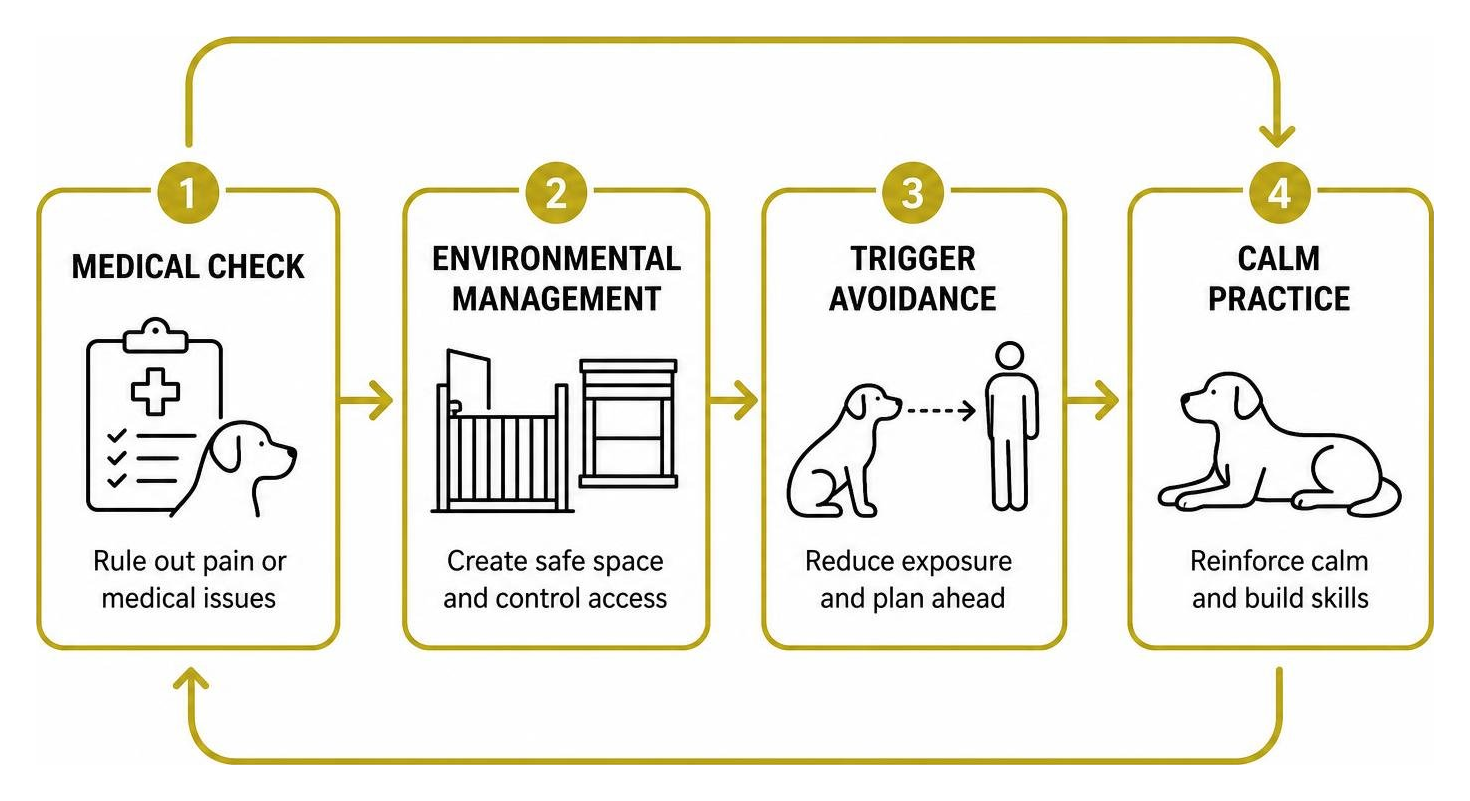
When handling training for dogs with aggressive behavior, jumping directly into intensive practice sessions without preparation can create unnecessary stress. The absolute first step in any effective behavioral plan is a complete medical examination with your veterinarian. Hidden physical discomfort, sudden illness, dental pain, joint soreness, or age related sensory decline are major underlying causes of fear and aggressive reactions in canine companions. A dog that is suffering from silent pain or diminished hearing will naturally feel far more vulnerable when approached or startled. Ruling out underlying medical conditions ensures that we are addressing genuine behavioral patterns rather than an unmanaged health concern.
Once physical causes are ruled out, our next priority is implementing immediate safety barriers and physical management. Every time an aggressive event happens, even if no harm occurs, the behavior is reinforced because the threat retreats or distance is created. Management prevents your dog from rehearsing unwanted behaviors while giving your household immediate peace of mind.
Key physical tools and management strategies include:
- Basket Muzzles: A properly conditioned basket muzzle allows your dog to pant, drink water, and take treats comfortably while providing total safety during walks or guest visits.
- Leashes and Tethers: Keeping your dog safely on a leash or secure indoor tether prevents unmonitored roaming and door charging.
- Crates and Confinement: A cozy crate or separate room behind a baby gate offers a secure space where your dog can decompress away from busy family activity.
- Environmental Adjustments: Use window film, closed blinds, or strategic furniture positioning to block visual triggers like delivery drivers walking past your front yard.
Identifying Triggers and Body Language Signals
Successful behavior modification relies on reading subtle canine communication well before an aggressive display occurs. Dogs rarely snap or lunges without giving earlier warning signals. By observing your dog carefully, you can catch stress early and adjust physical distance before your dog reaches a tipping point.
Watch closely for early warning indicators such as:
- Hard Staring: Fixed visual focus on a person, animal, or object without blinking.
- Body Stiffness: Sudden freezing or tightening of the muscles along the neck, shoulders, and back.
- Facial Cues: Rapid lip licking, yawning out of context, tense muzzle lines, or whale eye showing the whites of the eyes.
- Vocal Changes: Low rumbling growls, sharp single barks, or persistent panting when not warm.
Every dog exhibits a unique behavioral profile based on their genetics, history, and individual temperament. To better understand how your companion interprets the world around them, explore A Guide to Dog Personalities to help tailor your communication strategy to their specific temperament.
Differentiating Aggression vs. Reactivity
It is common for dog owners in Marin, Berkeley, or San Francisco to wonder whether their dog is showing true aggression or elevated reactivity. While these two expressions can look remarkably similar on a neighborhood walk, understanding the distinction helps us choose the most effective training plan.
Reactivity occurs when a dog experiences intense emotional arousal or overstimulation in response to a stimulus. A reactive dog may bark frantically, spin, or lunge on leash because they lack emotional regulation or impulse control, yet they may not have any genuine desire to bite or cause harm.
Aggression, by contrast, involves behavior specifically intended to create distance or defend against a perceived threat. Aggressive displays like hard growling, snapping, or biting are functional attempts by a dog under pressure to protect space, resources, or their own physical safety.
Because reactivity and aggression share overlapping symptoms, maintaining strict threshold management is critical for both conditions. Keeping your dog below their threshold means staying far enough away from a trigger that your dog remains aware, attentive, and able to respond to your guidance.
| Behavioral Characteristic | Dog Reactivity | Dog Aggression |
|---|---|---|
| Primary Driver | High arousal, overexcitement, or frustration | Defense, fear, space creation, or resource protection |
| Intent | Seek interaction or discharge excitement | Increase physical distance or drive a threat away |
| Body Language | Hyperactive, vocal, bouncy, erratic posture | Stiff posture, fixed gaze, deep growls, closed mouth |
| Threshold Sensitivity | Triggered easily by fast movement or sounds | Triggered by proximity, physical touch, or resource access |
| Handling Focus | Focus on impulse control and emotional regulation | Focus on spatial management, clarity, and safety boundaries |
Effective Approaches to Training for Dogs with Aggressive Behavior
When addressing aggressive behavior, we rely on a clear, balanced methodology rooted in the four quadrants of operant learning. Using a complete behavioral framework allows us to provide clear communication, fair boundaries, and meaningful rewards for sound choices. Balanced behavior modification brings total clarity to your dog by making rules easy to understand and consistently predictable.
By applying all four quadrants of operant learning thoughtfully, handlers can establish structural boundaries while actively rewarding calm, attentive responses. This balanced communication eliminates confusion, reduces stress, and allows dogs to feel secure under our leadership.
For a broader perspective on structured behavior strategies across different environments, review this comprehensive How to Train an Aggressive Dog Guide to see how structured guidance complements home management.
Step by Step Training for Dogs with Aggressive Behavior at Home
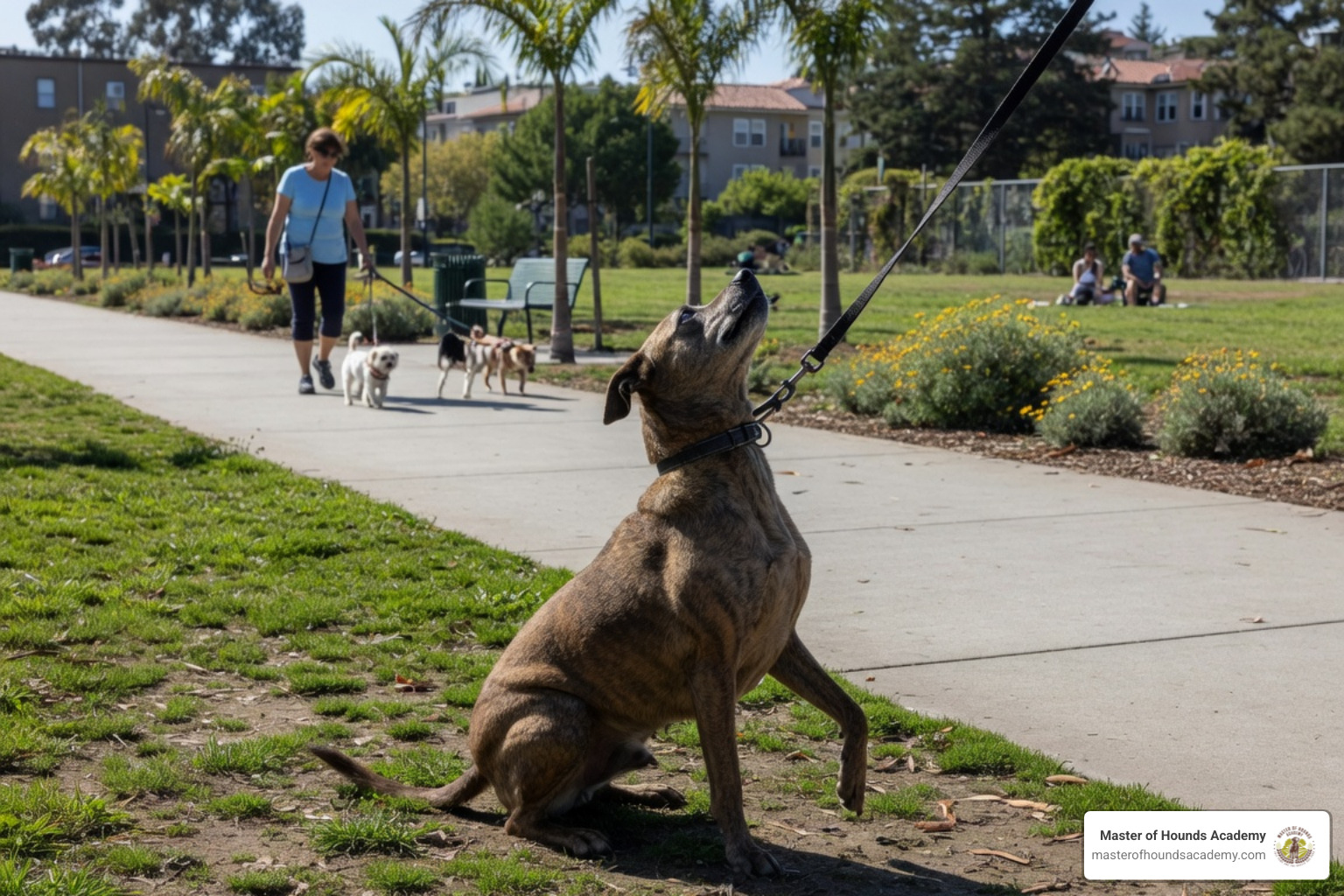
Working on training for dogs with aggressive behavior at home allows you to control the environment completely before introducing real world distractions in Lafayette or Walnut Creek. Follow these practical steps to build foundation skills:
- Establish Baseline Spatial Control: Teach your dog to move comfortably to a designated place mat or bed on command. Spatial control gives your dog a safe default behavior when doors open or guests arrive.
- Practice Controlled Exposure: Introduce low level triggers at a distance where your dog notices the object or person but remains completely calm.
- Reward Calm Choices: Marker words and favorite rewards should instantly follow moments when your dog looks at a trigger and chooses to turn back to look at you instead.
- Teach Clear Replacement Behaviors: Guide your dog to perform constructive behaviors, such as sitting patiently or carrying a favorite toy, rather than lunging or barking.
- Maintain Consistent Timing: Clear communication depends on precise timing. Mark calm responses immediately so your dog connects their quiet behavior directly with structured rewards.
Customizing Training for Dogs with Aggressive Behavior Based on Triggers
Every dog experiences stress differently depending on the environment and the specific trigger present. Customizing your training protocol ensures that you are addressing the underlying cause directly:
- Resource Guarding Around Food or Toys: Feed your dog in a quiet, low traffic room behind a closed door or crate. Avoid removing items directly from their mouth; instead, practice trade exercises where you swap an item for a higher value reward.
- Visitor Anxiety at the Front Door: Set up baby gates away from the entryway. Train your dog to retreat to a comfortable rear room when the doorbell rings, rewarding them for remaining settled in their designated safety zone.
- Leash Reactivity on Walks: Maintain wide margins on sidewalks in neighborhoods like Danville or Concord. Use spatial turns to keep your dog focused on walking calmly alongside you rather than staring down oncoming dogs.
- Multi Pet Household Dynamics: Manage physical interactions strictly with crates, interior doors, or indoor drag lines. Feed multi pet homes in separate rooms to build total peace during mealtimes.
Core Behavior Modification: Desensitization and Counterconditioning
The cornerstone of long term behavioral change for aggressive dogs involves pairing systematic desensitization with counterconditioning. These scientific procedures systematically alter your dog’s emotional response toward triggers while building higher behavioral flexibility.
Desensitization means introducing a trigger at an intensity so low that your dog notices it without feeling threatened or losing composure. Over time, as your dog gains confidence, you gradually decrease the distance to the trigger in carefully controlled increments.
Counterconditioning works alongside desensitization by pairing the presence of the distant trigger with highly prized rewards like fresh chicken or high value treats. Through repeated, structured exposures, your dog begins to associate the former stressor with positive outcomes and clear direction from you.
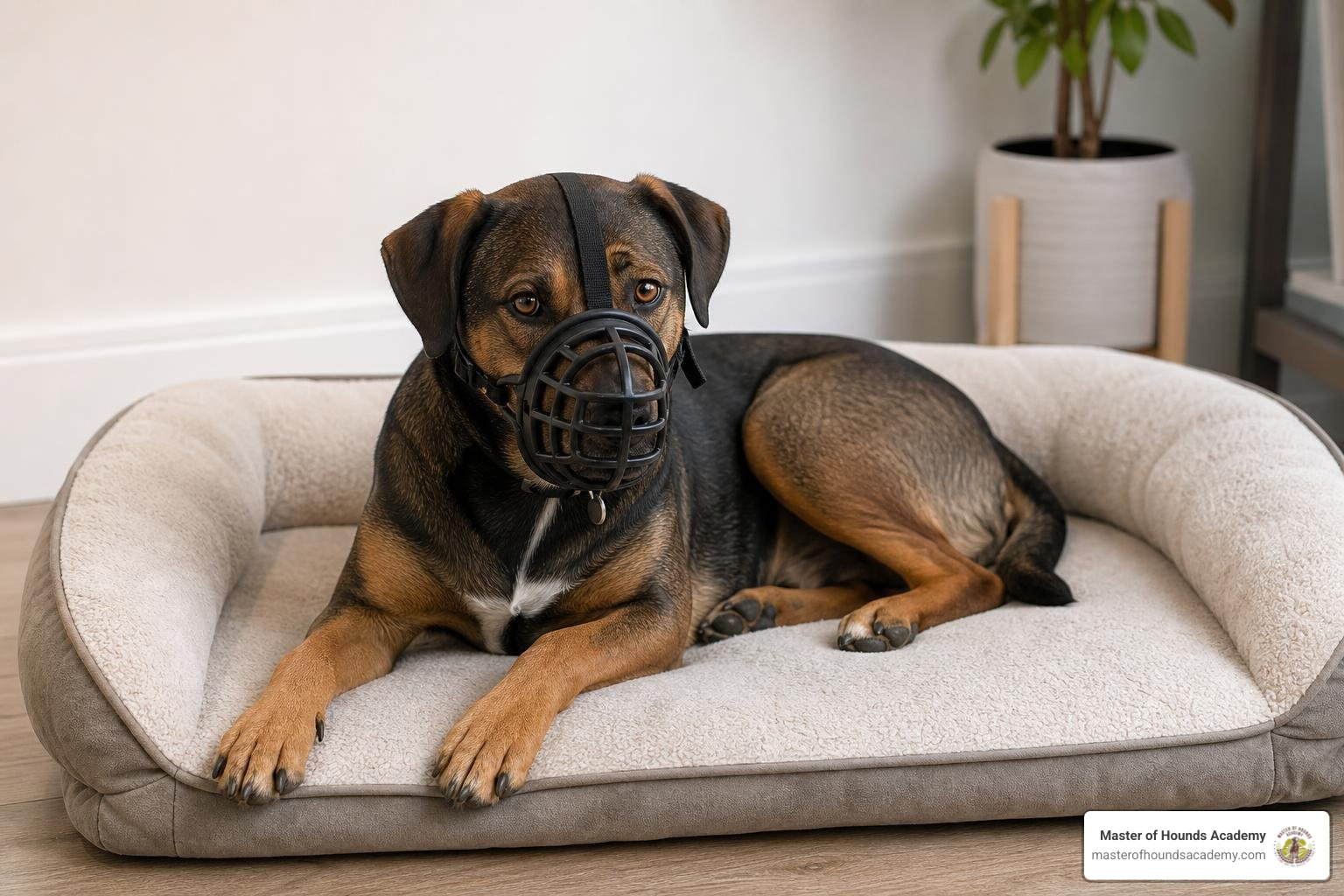
Daily consistency is far more important than intensity. Short, focused practice sessions lasting five to ten minutes build steady progress without exhausting your dog’s mental capacity.
Knowing When to Consult a Professional
While basic safety management can be started independently at home, complex aggression requires professional oversight to ensure absolute safety for your family and community. Attempting to manage severe behavioral cases without structured guidance can lead to escalating risks or unexpected incidents.
Seek professional assistance immediately if you notice any of the following signs:
- A Known Bite History: Any incident where teeth have made contact with skin or caused physical injury.
- Unpredictable Reactivity: Sudden aggressive displays that occur without obvious warning signals or recognizable triggers.
- Escalating Severity: Aggressive episodes that are growing more intense, frequent, or difficult to interrupt over time.
- Safety Concerns Involving Vulnerable Household Members: Environments with young children, elderly family members, or secondary pets require skilled risk management.
When selecting a professional trainer, look for expert experience with complex aggressive behavior, clear knowledge of balanced operant learning, and a commitment to personalized, individual evaluation.
Frequently Asked Questions
What is the first step to take when addressing aggressive behavior in dogs?
The absolute first step is scheduling a full veterinary health exam to rule out underlying pain, sensory loss, or medical conditions. Simultaneously, implement immediate safety barriers such as crates, baby gates, leashes, and basket muzzles to prevent any further aggressive incidents from occurring.
Can an aggressive dog ever be completely cured?
While many dogs achieve remarkable behavioral transformations and live relaxed, full lives, aggression is typically managed rather than entirely cured. Consistent routines, environmental control, clear communication, and structured daily management ensure long term reliability and ongoing safety.
How do the four quadrants of operant learning address aggressive behavior safely?
Utilizing all four quadrants of operant learning provides complete communication clarity. By pairing clear rules and spatial boundaries with rewards for constructive choices, handlers reduce confusion and build balanced emotional regulation without triggering frustration or confrontation.
Moving Forward Together for Long Term Behavioral Success
Restoring peace, safety, and mutual balance to your household is an achievable goal when you follow a structured, personality driven approach. By managing physical environments, addressing medical needs, recognizing body language signals, and applying clear behavioral communication, you give your dog the guidance they need to make confident choices.
At Master of Hounds Academy, we specialize in helping families across San Francisco, Oakland, Berkeley, Marin, and the surrounding East Bay communities navigate complex behavioral challenges. Our signature Metcalf Method combines over thirty years of professional experience with customized strategies designed for your dog’s unique personality.
Whether you need private lessons, group guidance, or our structured board and train programs, explore our full range of professional options on the Master of Hounds Academy Services page. Together, we can create a safe, harmonious home for you and your companion.